

Microsoft’s compromised agent-framework releases could steal credentials as soon as Python started. NGINX also patched two HTTP/2 flaws with demonstrated remote code execution.
The practical picks include a guide to PostgreSQL in Docker, self-hosted GitHub Actions runners on EKS, and exporting MySQL data to Iceberg. You’ll also find DataCat for observability and db-branch for disposable database copies.
If you’re interested in sponsoring this newsletter, reach out via LinkedIn or reply to this email.
Newsworthy stories
Hijacked GitHub accounts spread the wfx-loot CI credential stealer
NGINX patches HTTP/2 flaws with demonstrated remote code execution
My take: a package doesn’t need an import to run
The compromised releases of Microsoft’s agent-framework 1.26.1 and 1.26.2, planted a .pth startup hook in the Python environment. Starting Python was enough to trigger the stealer, even if the application never imported the package. It ran in the background under names that looked like ordinary SDK telemetry.
The payload searched environment variables for secrets, read other processes’ environments where permissions allowed, and collected credential files. Its targets included Azure CLI sessions, Git credentials, Docker configuration, package-registry tokens and .env files. It bundled the results into compressed, encoded JSON and sent them to a hardcoded webhook.site endpoint. Errors were silently ignored, so a failed upload wouldn’t necessarily produce an obvious warning.
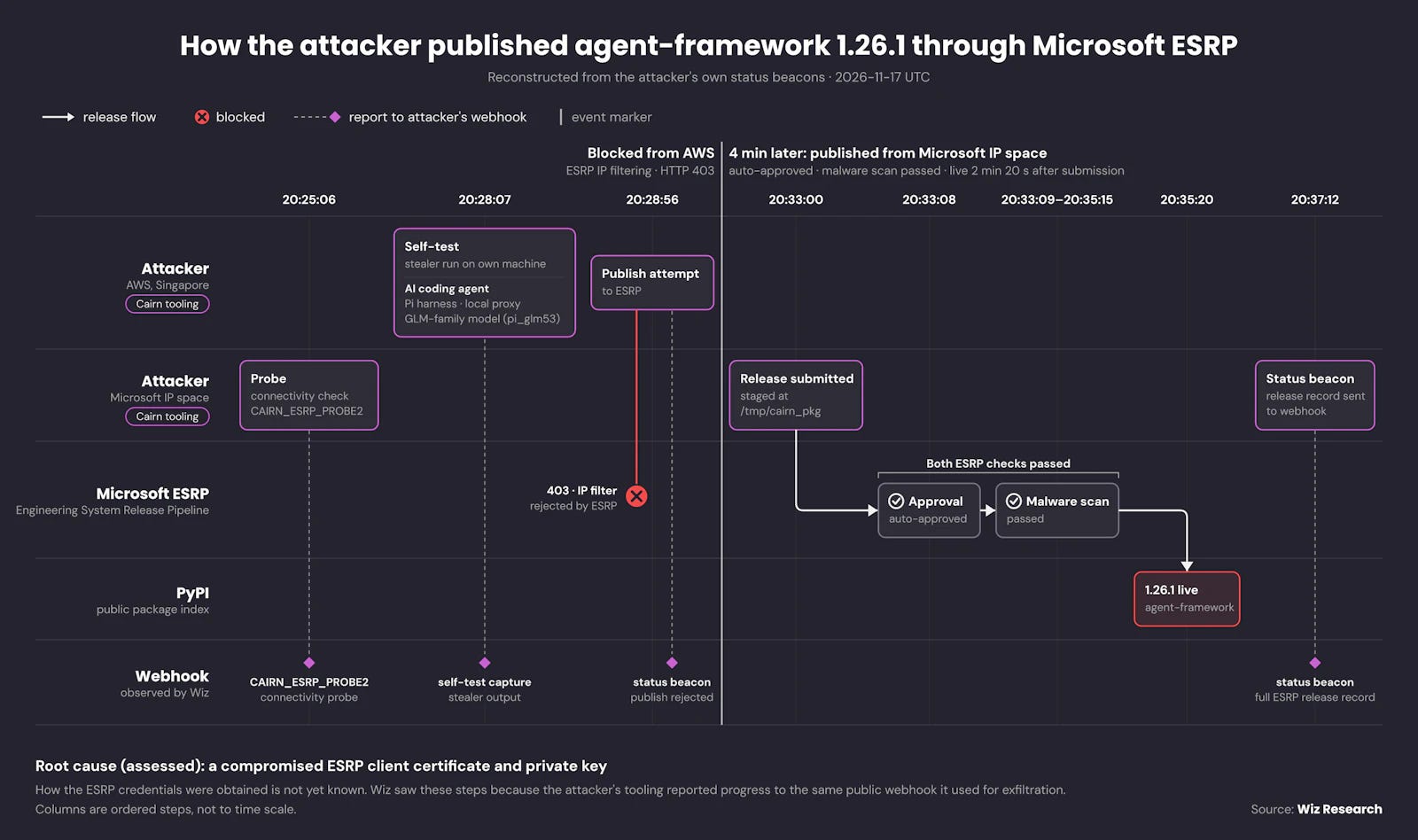
It also tried to obtain fresh credentials. It requested Azure managed-identity tokens, and version 1.26.2 added GitHub Actions OIDC token theft. Where an Azure federated identity trusted the affected workflow, those tokens could be exchanged for Azure access without stealing a stored cloud password.
I’d check what developer environments and CI runners can reach, including their identity permissions. Removing long-lived keys helps, but a compromised job can still use the identity it has been granted. If either malicious version was installed and Python ran, I’d rebuild the environment, rotate exposed secrets, and review managed-identity and federated sign-ins for misuse.
Tutorials of the week
Videos of the week
Projects of the week
OpenSRE investigates failed CI runs and prepares fixes for review.
OpenVINO optimizes and deploys AI inference across different hardware.
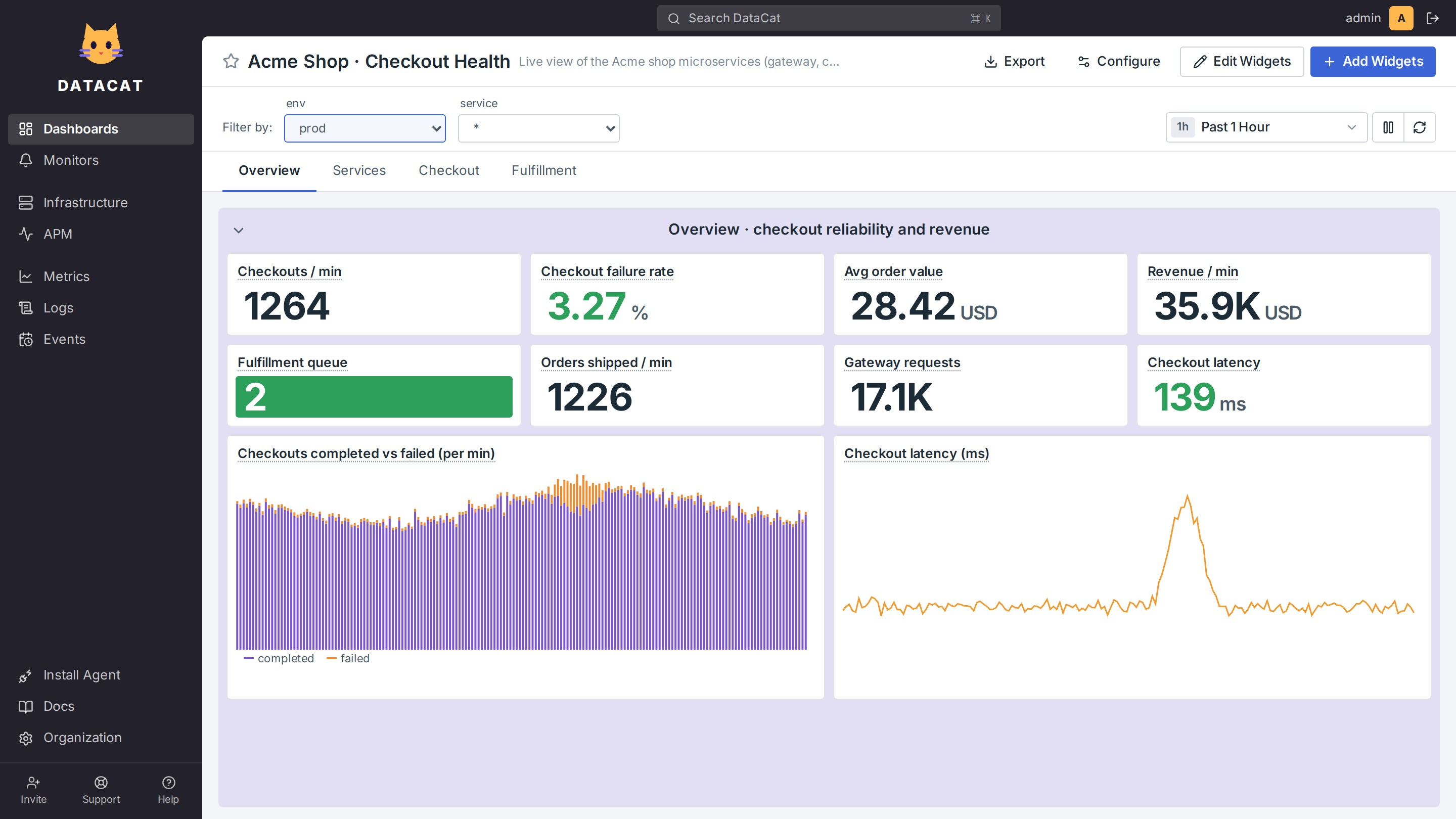
DataCat collects metrics, logs and traces in a self-hosted observability dashboard.
PINE runs agents in response to events from apps, files and devices.
pgvectorfast accelerates vector similarity search in PostgreSQL.
Claude Profiles runs multiple Claude Desktop accounts side by side.
db-branch creates disposable database branches for tests and pull requests.
Meme of the week
When the AWS budget alert arrived after the money was already spent:

Want to sponsor the newsletter? Book a slot - Q4 dates are open.